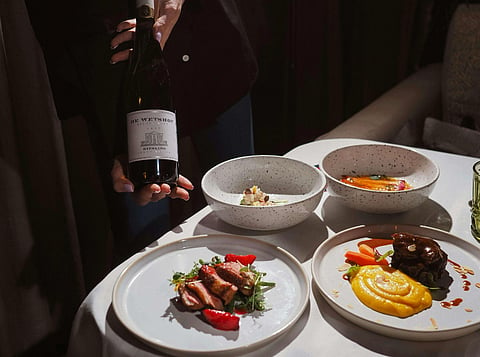

Fine dining is, without a doubt, one of life’s most sublime pleasures. There are so many aspects to an excellent meal: taste is (of course) the main component. Salt, fat, acid and heat come together to form something truly unique and memorable. Sweet, savoury, umami– the balance must be perfect. There's texture: the mouthfeel of any bite or any of the ingredients on their own can make or break a dish. Presentation matters, naturally, to the aesthetically discerning eye: no one wants to eat something that isn't appealing to look at! All of these factors come together in fine dining to provide the diner with an experience like no other.
While we all know that food tastes different to different people and the exact same dish will have different flavours when cooked by different chefs, we rarely consider how the location and altitude at which a dish is prepared and served can have an effect on its taste…it can also have an effect on our palettes, producing unusual results. If you’re looking forward to a delicious, chef-made delicacy on a private flight, for example, there are a few things you may want to be aware of before you set your menu. Let’s take a look.
At cruising altitude, even inside a pressurised plane (yes, even inside the beautifully decorated cabin of a private charter plane), our senses do not behave in the same way that they do on the ground. The air is much drier, and the cabin pressure is lower than the pressure on the ground. There is background noise, there may be nerves or fatigue…all of these factors together can contribute to a change in how you perceive taste or how the food itself holds up. Here are the highest contributing factors.
Cabin pressure in the average private jet is around the equivalent of standing around 5-8000 feet above sea level. That level of altitude creates several changes in taste sensitivity:
● Both sweet and salty tastes can be reduced by as much as 30%
● The intense aromas that you may usually associate with your favourite dishes and drinks are heavily muted
● Flavour complexities are more difficult to detect and unravel
As flavour and scent are closely tied together, the dryness in the cabin’s recycled air will almost always dull the brightness of the dining experience overall.

The humidity level in any aircraft cabin is often below 20%, which is drier than many deserts on the ground. This minimised humidity affects passengers’ nasal passages, their saliva production and their mouthfeel perception. This leads to delicate foods potentially tasting flat and a little bit papery, while excessively tannic wines may taste a little bit harsher than usual.
Strange as it sounds, sustained background noise has been known to reduce sensitivity to sweet flavours and enhance sensitivity to umami. Even in private jets that are well soundproofed, some noise makes its way into our ears, changing how we taste things.
Luxury flights and luxury dining are all about excellence. This means that providers must up their game and work around these issues by designing menus that work against the diminishing factors. Intensified flavour profiles are the main way of doing this. Chefs will often increase their use of seasoning, emphasise ingredients and dishes that are umami-rich and include aromatics such as citrus and spices. Here are a few high-performing (pun intended) ingredients and meals:
● Dishes containing truffle
● Mushroom risotto
● Soy-based glass
● Roasted meat
● Seafood with a focus on acidic ingredients
Wines and their delicately crafted flavours behave differently in the air, too. The wines that struggle the most at cruising altitude are the high-tannin reds. They can become bitter and unpleasant, astringent and much less balanced overall. Very delicate wines may have the opposite issue and become too muted or flat to be enjoyable.
There are some wines that perform just as well in the air as they do on the job. Sommeliers frequently recommend champagne and sparkling wines, reds with a fruit-forward flavour palette, white wines with high acidity and those with softer tannins. These are some options that would do well at cruising altitude:
● Burgundy Pinot Noir
● Rhône blends
● Champagne
● Sauvignon Blanc
● Riesling
The private aviation industry also takes note of the emotional side of dining:
● Time zones can alter appetites
● Fatigue affects taste perception
● Lighting influences flavour expectations and comfort levels, which, in turn, influences taste
● Presentation becomes even more important to enhance the experience
Top-tier operators often use:
● Custom plating attuned to the circumstances
● Warm lighting to make passengers feel comfortable and relaxed
● Fine glassware for clean tastes
● Curated pacing between courses to allow flavours to settle
Sommeliers pair for wine tastings or meals with panache, and these are some of the best:
● Caviar with champagne for acidity and texture
● Rich seafood with a crisp white featuring high minerality
● Wagyu or lamb with a softer red featuring moderate tannins
● Cheese course with a rich fortified wine or mature Pinot Noir
● Dessert with a minimally sweet dessert wine to avoid palate fatigue
Now you know how to enjoy your fine food and drink when you’re in the comfort of your private cabin and how to prepare your palate for the delights and divine dishes coming your way.